
The Warm Homes Plan
On 21 January 2026, the government published the Warm Homes Plan, confirming the long-term trajectory for Energy Performance Certificate (EPC) standards in the private rented sector. For property investors, this provides a timeline for compliance and a revised framework for property upgrades.
Here is a summary of the confirmed changes:
1. The 2030 Deadline
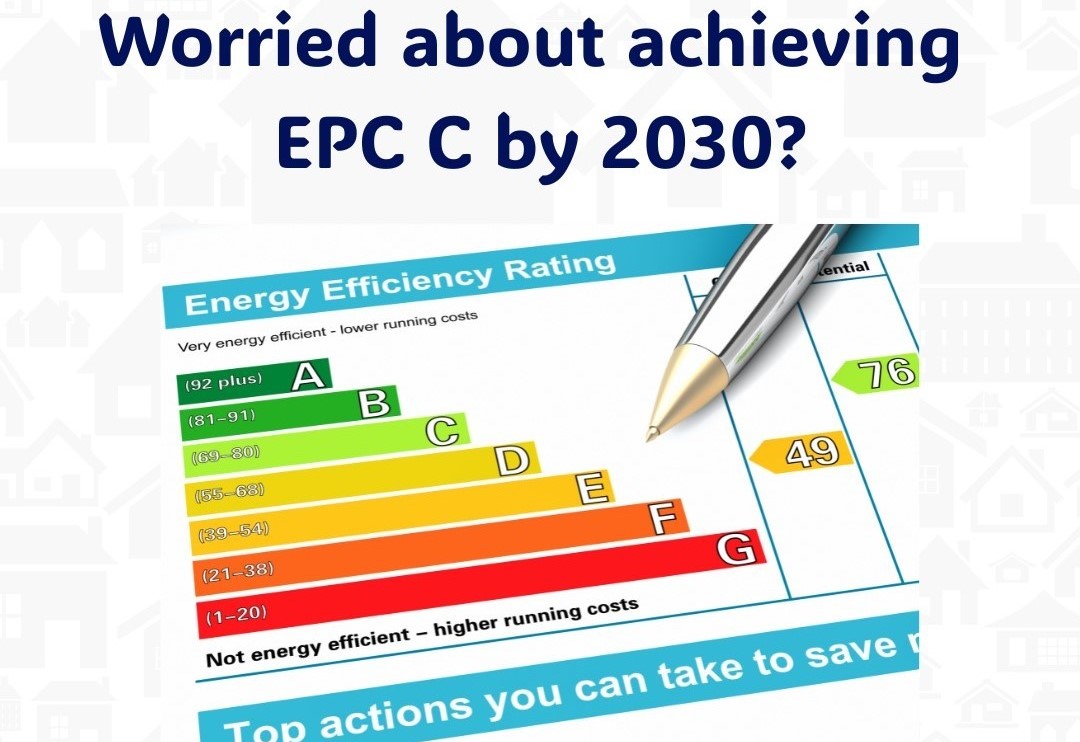
The government has confirmed a single compliance deadline. All residential rental properties in England and Wales must achieve an EPC rating of C by 1 October 2030. There is no longer a separate, earlier deadline for new tenancies; this date applies to all properties being let.
2. The £10,000 Cost Cap
To protect the financial viability of investments, the government has set a spending cap:
- Maximum Expenditure: Landlords are expected to spend a maximum of £10,000 per unit to reach the required standard.
- Low-Value Adjustment: For properties valued at £100,000 or less, the cap drops to 10% of the property value.
- Exemptions: If a property does not meet the standard after this expenditure, landlords can register an exemption.
- Backdated Costs: Energy efficiency spending undertaken from 1 October 2025 onwards counts towards this cap, with the exception of fossil fuel heating systems.
3. Introduction of the Four Headline Metrics
The new Home Energy Model (HEM) will replace the existing standard assessment procedure, which the government ‘optimistically’ aims to launch in October 2026. Certificates will now display four distinct "Headline Metrics":
- Fabric Performance: Efficiency of walls, roofs, and windows.
- Heating System: Efficiency and carbon impact of the heat source.
- Smart Readiness: Capacity for smart technology and solar integration.
- Energy Cost: Estimated annual running costs in pounds (£).
4. The Dual-Metric Compliance Standard
To meet the 2030 regulations, properties must achieve a C rating across a minimum of two of the following metrics:
- Mandatory: Fabric Performance.
- Discretionary: Either the Heating System OR the Smart Readiness metric.
This allows landlords to decide which upgrades are most cost-effective for their specific property. Note that for the Heating System metric, it is expected that no property with a fossil fuel heating source will be able to achieve a C rating and properties with heat pumps will achieve a C rating or higher.
5. Transitional Provisions
Properties that already hold a valid EPC C or higher, under the current Energy Efficiency Rating system (EER), before 1 October 2029 will remain compliant until that certificate expires. For properties currently rated D or below, any new assessment after September 2029 must use the new HEM metrics.
Final Thoughts
When we source or view properties for you, we are now factoring these new requirements into our assessment process and will highlight issues to you.
The government has indicated that the Warm Homes Plan will include £15b in financial investment to support the upgrade of UK homes. However, details of how this will be delivered have yet to be released, so we will be monitoring this with keen interest over the coming months.