
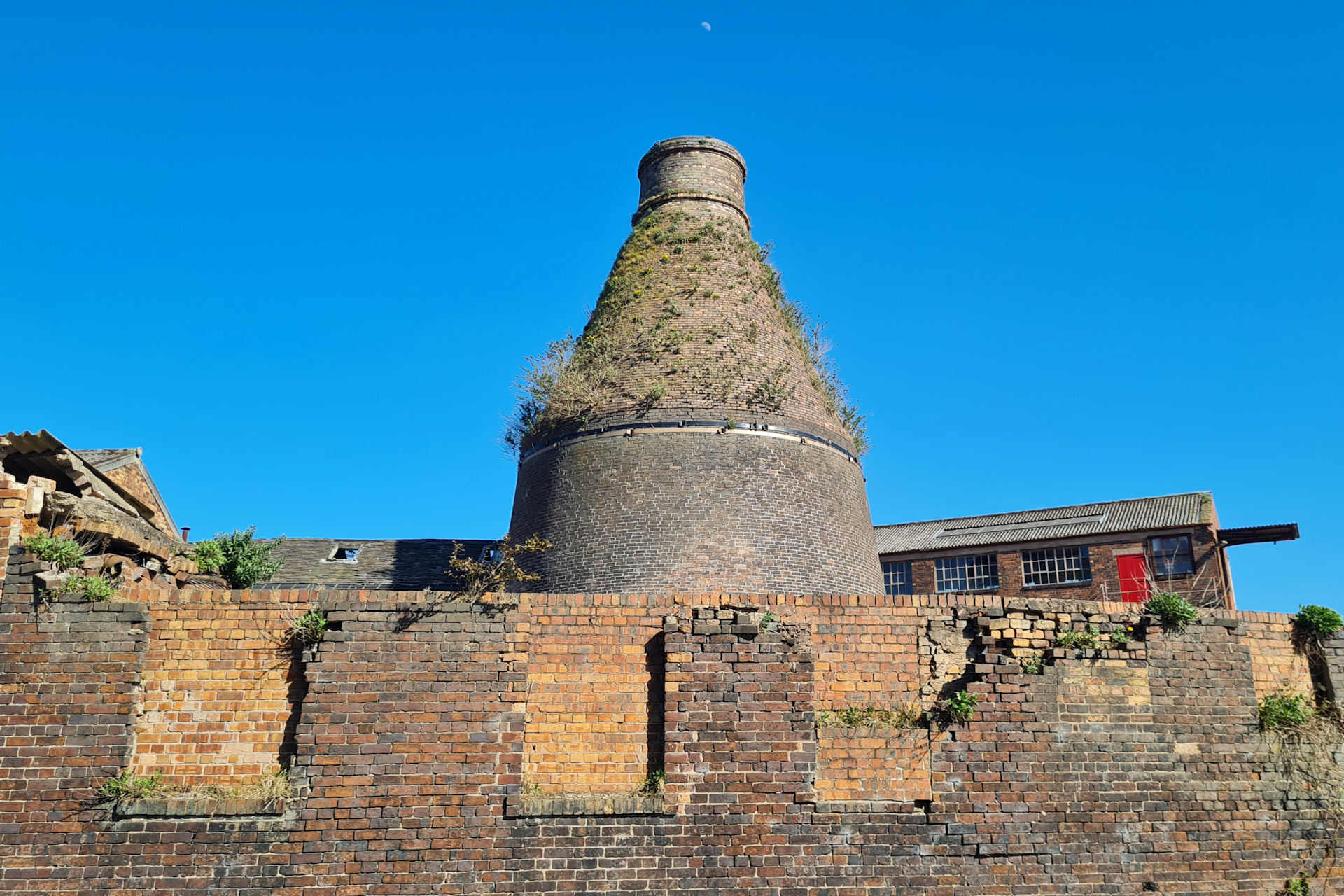
In early 2026, Stoke-on-Trent took a bold and unusual step: the City Council officially declared a "Heritage Emergency". While an emergency might sound like a reason to stay away, for the strategic property investor, it is actually a clear signal of where the next wave of capital appreciation will strike. Along with the recently launched draft 2050 City Centre Masterplan, this declaration provides a vision for the city’s transformation.
What is the "Heritage Emergency"?
The council has identified 16 iconic sites that are at a critical tipping point. These include the Wedgwood Institute in Burslem and the Price & Kensington Teapot Works. Therefore, to save them, the city has launched a £325 million prospectus to attract national developers and government grants.
The goal is simple: stop the decay and repurpose these "industrial cathedrals" into modern apartments, creative hubs, and tech spaces.
The "Ripple Effect" for Local Housing
Successfully regenerating a landmark fundamentally drives up the value of the housing surrounding it. History shows that when restoring a major industrial site, for example, the Spode Works or The Goods Yard, the immediate neighbourhood sees:
Improved Infrastructure: Better lighting, road repairs, and new green spaces.
Reduced Crime: Occupied, vibrant buildings act as a natural deterrent to anti-social behaviour.
Professional Demand: New commercial spaces bring in higher-earning tenants who want to live within walking distance of work.
The 2050 Masterplan: The Incoming Roadmap
The "Heritage Emergency" doesn’t exist in a vacuum. The draft 2050 City Centre Masterplan, which is currently in its final week of public consultation, outlines a vision for a "15-minute city". This plan seeks to better connect the six towns through a new Bus Rapid Transit (BRT) system and a "Green Loop" of walking and cycling trails.
The plan targets the delivery of 750 new homes on city-centre brownfield sites by 2030. This consultation window is a “ground floor” opportunity for strategic investors. It allows for the identification of assets in ST1 and ST4 before the final delivery phase triggers wider market interest
Conclusion
Stoke-on-Trent is no longer a city defined solely by its industrial past; it is a city actively engineering its future. With current low entry points and high yields, the area is already appealing. Combined with these two major plans and the capital appreciation that they will bring Stoke should be a serious consideration for investors. However, with the public consultation on the Masterplan closing this week, the window to act on this "ground floor" information is narrowing. For the strategic investor, the question is no longer if Stoke will transform, but how quickly you can position your portfolio to benefit from the ripple effect.