
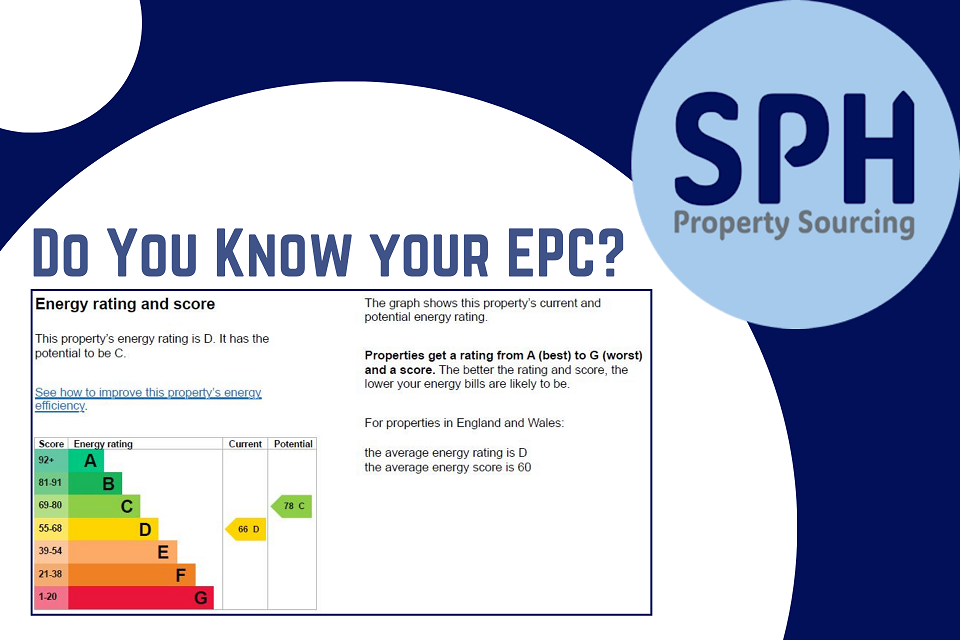
The UK government is pushing forward with significant changes to Energy Performance Certificate (EPC) regulations, primarily aimed at enhancing the energy efficiency of rental properties.
Proposed Changes and Considerations
Currently, privately rented properties in England and Wales must have a minimum EPC rating of E. Successive governments have had ambitions to raise the minimum EPC rating to C. The current proposal is to achieve this by 2030.
The government is proposing to alter the way EPCs are assessed, shifting from a focus on energy cost to metrics that measure:
There is proposed a Minimum Energy Efficiency Standard (MEES) to be introduced which, if not met by landlords, will prohibit them from renting out a property. The standards have not yet been set but are expected in 2026.
Financial Implications for Landlords
Upgrading properties to meet higher EPC standards can involve substantial costs. This includes expenses for insulation, new heating systems, and other energy-efficient improvements. Landlords are understandably concerned about the financial burden, and there have been discussions about potential government support and incentives.
Tenant Considerations
Improved energy efficiency can lead to lower energy bills for tenants, which is a positive outcome. However, there are concerns that landlords may pass on the costs of upgrades to tenants through higher rents.
Practical Steps for Landlords
Proposals are in place for this to apply to owner occupier properties from 2035.